
Palmetto Pruning Services
Choose our professional pruning services to enhance your landscape’s beauty, promote healthy growth, and ensure the safety of your property—all delivered with reliability and expert attention to detail.
Get a Free QuoteOur Palmetto Landscaping & Yard Care Services
When to Schedule Pruning in Palmetto, Florida – Seasonal Guide
In Palmetto, Florida, the best times to schedule pruning are shaped by our unique subtropical climate and the specific needs of local landscapes. Generally, late winter through early spring is ideal for most trees and shrubs, as this period avoids the risk of frost and allows plants to recover before the intense summer heat. For neighborhoods near Terra Ceia Bay or along the shady streets of Snead Island, humidity and shade coverage can influence the timing, as excess moisture may increase the risk of disease if pruning is done during the rainy season.
Local environmental factors such as sandy soils, periodic drought risk, and the proximity to saltwater also play a role in determining the optimal pruning schedule. Homeowners in areas like Palmetto Point should be mindful of municipal guidelines and seasonal restrictions, which can be found on the city’s official website. By considering these local characteristics, you can ensure your landscape remains healthy and vibrant year-round.
Local Factors to Consider for Pruning in Palmetto
- Tree and shrub density in your yard
- Soil type (sandy, loamy, or clay)
- Proximity to saltwater or marshlands
- Annual precipitation and drought risk
- Shade coverage from mature trees or nearby structures
- Local municipal restrictions or guidelines
- Recent storm or hurricane activity
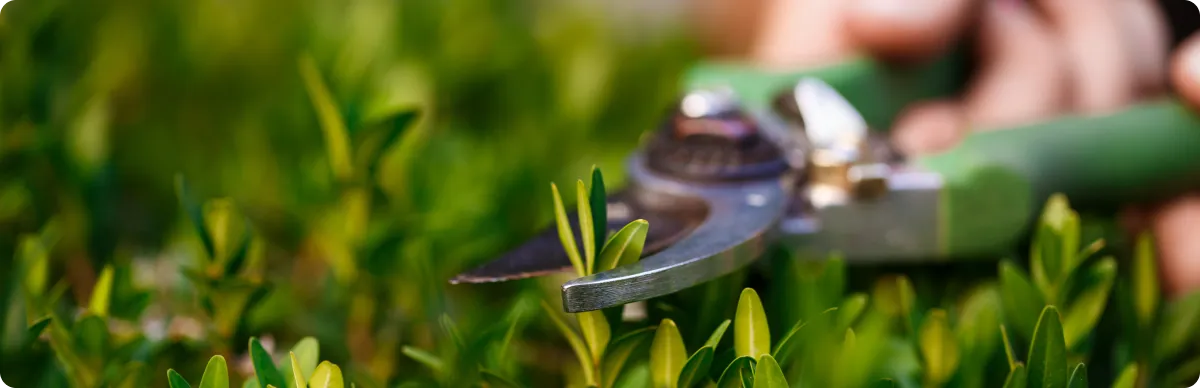
Benefits of Pruning in Palmetto
Enhanced Plant Health
Improved Curb Appeal
Increased Sunlight Exposure
Pest and Disease Prevention
Promotes New Growth
Professional and Reliable Service
Palmetto Pruning Types

Crown Cleaning
-
Selective Pruning
-
Dead Frond Removal
-
Seed Pod Removal
-
Shaping and Thinning
-
Hazard Reduction Pruning
-
Rejuvenation Pruning
Our Pruning Process
Site Evaluation
Plant Selection
Targeted Pruning
Debris Removal
Final Inspection
Why Choose Palmetto Landscape Services
-
Palmetto Homeowners Trust Us
-
Expert Lawn Maintenance
-
Reliable Scheduling
-
Competitive Pricing
-
Professional Team
-
Satisfaction Guarantee
-
Personalized Service
Coordinating Pruning Activities with Palmetto’s Parks and Public Works Departments
Pruning of trees and shrubs in Palmetto, FL, often intersects with city-managed infrastructure, public greenspaces, and right-of-way corridors. Residents and property managers should be aware that pruning activities adjacent to public sidewalks, parks, or drainage swales may require coordination with the city’s Parks & Recreation or Public Works departments. For example, debris from pruning must not be left in the right-of-way or block stormwater inlets, as this can impede drainage and contribute to localized flooding. The city provides scheduled yard waste collection, and all vegetative debris should be prepared according to municipal guidelines for pickup. When pruning near public property or city-maintained trees, it is advisable to verify whether city review or approval is needed, especially for large-scale or structural pruning. For questions about public greenspace or park-adjacent pruning, contact the Parks & Recreation Department.
Palmetto Parks & Recreation
516 8th Ave W, Palmetto, FL 34221
Phone: 941-721-5043
Official Website: Palmetto Parks & Recreation
How Palmetto’s Gulf Coast Climate and Soils Shape Pruning Needs
Palmetto is situated on Florida’s Gulf Coast, characterized by a humid subtropical climate, high summer temperatures, and a pronounced wet season from June through September. These conditions influence both the timing and frequency of pruning. Key local factors include:
- Sandy and fill-based urban soils, which can lead to rapid drainage and nutrient leaching, affecting plant vigor and regrowth after pruning
- High humidity and rainfall, which promote vigorous vegetative growth but also increase the risk of fungal diseases if pruning wounds are left exposed during wet periods
- Proximity to canals, swales, and stormwater retention areas, requiring careful management of pruning debris to prevent runoff and waterway contamination
The USDA Plant Hardiness Zone for Palmetto is 10a, supporting a wide range of subtropical and tropical landscape species. However, the combination of heat, salt exposure near the coast, and periodic heavy rainfall means that pruning schedules must be adapted to local growth flushes and storm-preparation needs. For more on local soils, consult the USDA Web Soil Survey.
Regulatory Considerations for Pruning in Palmetto: Permits, Code, and Environmental Compliance
Pruning activities in Palmetto are subject to municipal code requirements, especially when work is performed near public rights-of-way, drainage infrastructure, or on properties governed by development review. While routine maintenance pruning on private property typically does not require a permit, structural pruning, removal of large limbs, or work on protected species may trigger review by the city’s Code Enforcement or Building Department. It is essential to avoid depositing pruning debris in swales, canals, or storm drains, as this can violate local stormwater ordinances and contribute to water quality issues. The Florida DEP NPDES Stormwater Program provides additional guidance on preventing landscape debris from entering municipal separate storm sewer systems (MS4s). For pesticide or herbicide use during pruning, applicators must comply with FDACS pesticide licensing. Residents should verify current requirements with the city before undertaking major pruning projects.
Palmetto Code Enforcement
516 8th Ave W, Palmetto, FL 34221
Phone: 941-723-4570
Official Website: Palmetto Code Enforcement
Timing and Professional Standards for Pruning in Palmetto’s Urban Landscape
Effective pruning in Palmetto requires attention to both seasonal growth patterns and storm-preparation windows. The most appropriate times for structural pruning are typically during the late winter or early spring, before the onset of the wet season, to minimize disease risk and encourage healthy regrowth. However, selective pruning may also be necessary in late summer or early fall to reduce wind resistance and remove hazardous limbs ahead of hurricane season. Professional standards recommend:
- Using sanitized, sharp tools to prevent disease transmission
- Avoiding heavy pruning during periods of active growth or immediately before forecasted heavy rains
- Removing no more than 25% of a tree’s canopy in a single season to prevent stress
- Disposing of all debris according to city yard waste guidelines, keeping material out of storm drains and waterways
For additional technical guidance, refer to UF/IFAS Gardening Solutions – Protecting Florida’s Water Resources.
Palmetto Public Works
600 17th St W, Palmetto, FL 34221
Phone: 941-723-4580
Official Website: Palmetto Public Works
What Neighborhoods Do We Serve Throughout Palmetto, FL?
- Historic Downtown This area features mature tree canopies and older lots, requiring careful pruning to maintain sidewalk clearance and preserve heritage trees.
- Tierra Ceia Estates Known for its canal-front properties and high water table, pruning here often addresses salt exposure and drainage-sensitive landscaping.
- Palms of Manasota This subdivision includes newer fill-based lots with compacted soils, where pruning supports healthy regrowth and visibility along roadways.
- Oakridge With larger lots and established shade trees, Oakridge properties benefit from structural pruning to manage storm risk and canopy health.
- Bayou Estates Adjacent to tidal creeks and wetlands, this neighborhood requires special attention to debris containment and waterway protection during pruning.
- Sugar Mill Lakes Featuring HOA-managed common areas and retention ponds, pruning here must coordinate with community standards and stormwater management needs.
- Artisan Lakes A master-planned community with mixed sun and shade exposures, pruning is often scheduled to balance privacy, aesthetics, and irrigation efficiency.